The German Baltic Sea coast stretches across Schleswig-Holstein and Mecklenburg-Vorpommern, covering resort towns like Travemünde, Scharbeutz, Boltenhagen, and the islands of Fehmarn, Usedom, and Rügen. This guide compares 15 resort hotels across the region - from beachfront wellness retreats to marina-side properties - to help you choose where to stay based on location, facilities, and travel style.
What It's Like Staying on the German Baltic Sea Coast
The German Baltic Sea coastline is not a single destination but a chain of distinct resort towns, each with its own rhythm. Schleswig-Holstein resorts like Scharbeutz and Travemünde attract day-trippers from Hamburg, meaning weekends fill up fast - especially between June and August. The island destinations of Usedom and Rügen require ferry crossings or longer drives, which naturally filters out casual visitors and rewards those who commit to a multi-night stay. Cycling infrastructure along the coast is well-developed, and most resort hotels position themselves within reach of marked trails, beach promenades, or nature reserves.
Unlike the North Sea, the Baltic is calmer and warmer, making it better suited to swimming, paddleboarding, and sailing. Water temperatures peak at around 20°C in July and August, which is the clearest signal for timing a beach-focused trip. Outside of peak summer, the coast empties considerably - some resort amenities scale back, but prices drop sharply and the landscape takes on a different, quieter appeal.
Pros:
- Calmer, warmer water than the North Sea makes the Baltic coast more suitable for swimming and water sports from June through August
- Strong cycling and hiking infrastructure connects most resort towns to nature parks and scenic coastal paths
- Wide range of resort scales - from quiet island retreats on Fehmarn and Rügen to busier promenade towns like Travemünde with direct train links
Cons:
- Peak season crowds in Schleswig-Holstein resorts are driven largely by Hamburg day-trippers, compressing availability and inflating prices on weekends
- Island destinations like Usedom and Rügen require more travel time and planning, making them less practical for short breaks
- Shoulder and off-season visits may find reduced spa hours, closed restaurants, and limited activity programming at resort hotels
Why Choose a Resort Hotel on the German Baltic Sea
Resort hotels on the German Baltic Sea are specifically built around access to the coast - most offer direct beach entry, indoor pools for off-season use, and spa facilities sized for leisure stays rather than business travel. The spa footprint at Baltic resorts is notably larger than at comparable city hotels in Hamburg or Lübeck, with properties like A-Rosa Travemünde operating a 4,500 m² wellness centre and ARBOREA Marina Resort running a full SPAradise complex with an infinity pool. This makes resorts here a strong choice for travellers whose primary goal is physical recovery and relaxation rather than sightseeing.
Room categories at Baltic resorts frequently include sea-view or marina-view options that carry a meaningful price premium, but the trade-off in atmosphere is real. Budget-tier options exist within the wider region - particularly inland properties near the A7 corridor - but those sacrifice the coastal proximity that defines the resort experience. Around 70% of resort properties here include breakfast as a featured offering, often at buffet level, which simplifies morning logistics for families and longer stays.
Pros:
- Dedicated spa and wellness facilities are standard across mid-range and premium Baltic resorts, with multiple saunas, pools, and treatment menus included or available on-site
- Direct beach access or beachfront positioning eliminates the need for a car to reach the water - a meaningful advantage for families and relaxation-focused travellers
- Many resorts include activity programming - SUP rental, boat trips, cycling, Nordic walking - that adds structure to multi-night stays without leaving the property
Cons:
- Sea-view and beachfront room categories carry a significant premium over standard rooms - the upgrade cost is not always proportional to the size difference
- Remote resort locations on islands like Fehmarn or Rügen require a car for most off-property excursions, adding to overall trip cost
- High-demand resorts in Scharbeutz, Travemünde, and Usedom book out weeks in advance for July and August, limiting last-minute flexibility
Practical Booking & Area Strategy for the Baltic Sea Coast
The German Baltic Sea coast divides naturally into two administrative regions with distinct travel dynamics. Schleswig-Holstein resorts - including Scharbeutz, Travemünde, Glücksburg, and Neumünster - are best reached from Hamburg, with Travemünde accessible by regional train in under 90 minutes. This proximity makes them viable for long weekends but also means peak-season availability evaporates early. Mecklenburg-Vorpommern destinations - Boltenhagen, Rostock, Stralsund, and the islands of Rügen and Usedom - sit further east and typically require a car or a longer rail journey, but they reward with more undeveloped coastline and less urban overspill.
For Usedom and Rügen, plan a minimum of 3 nights to justify the travel time and fully use resort facilities. Travemünde and Scharbeutz work well as 2-night escapes. Book at least 6 weeks ahead for July or August at any beachfront property - the most popular resorts in Ahlbeck and Scharbeutz operate near capacity throughout summer. Shoulder season - May, early June, and September - offers the best balance of usable weather, open amenities, and manageable prices. The Flensburg Fjord area around Glücksburg is worth considering for those wanting Scandinavian-influenced architecture and golf proximity without the high-season crowds of more commercial resort towns.
Best Value Resort Stays
These properties deliver strong resort fundamentals - beach proximity, breakfast, and leisure facilities - at a more accessible price point, covering quieter coastal towns and well-connected inland bases.
-
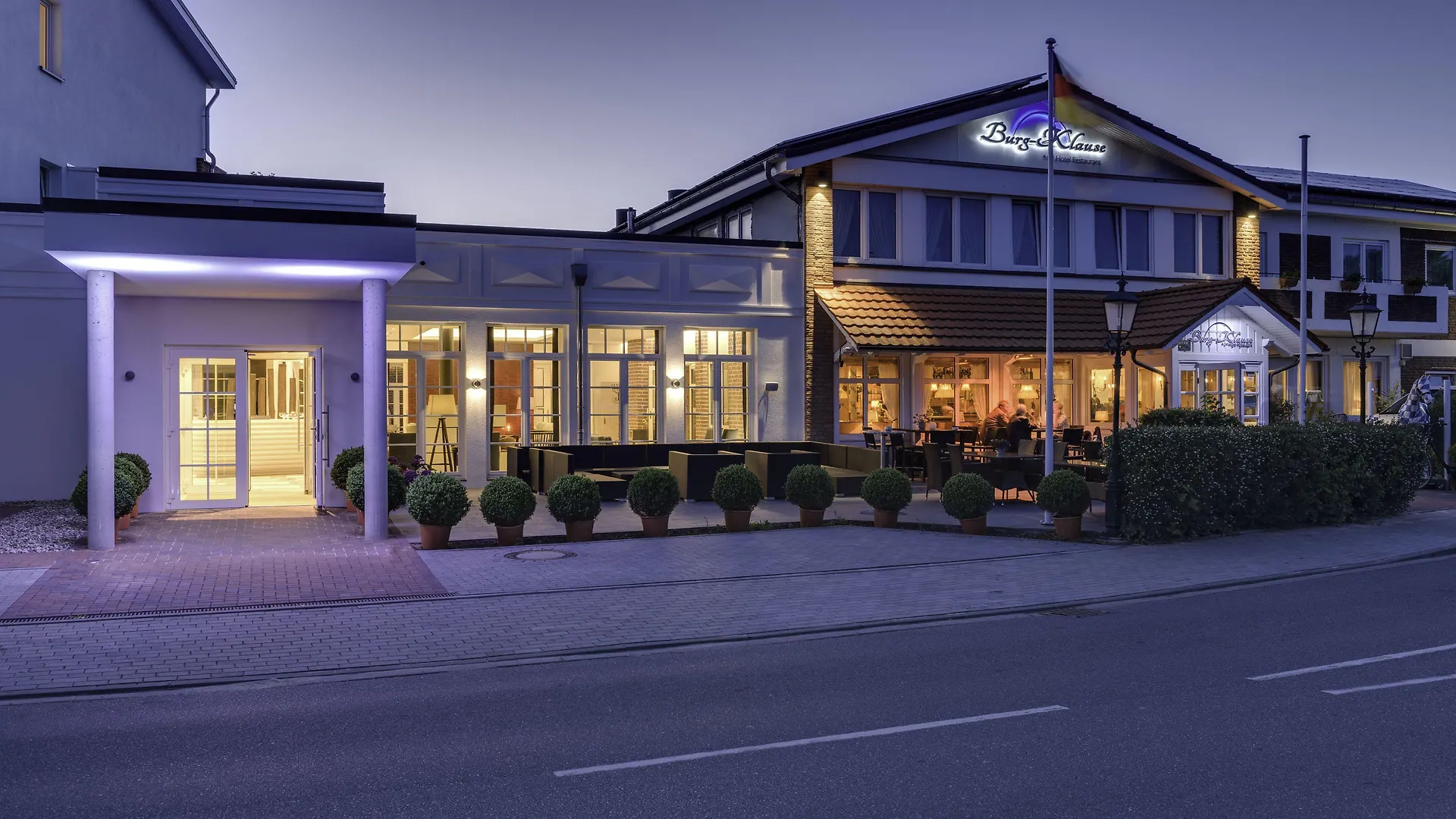
1. Hotel Restaurant Burg-Klause
Show on map


 Check-infrom 15:00 until 22:00Check-outfrom 07:00 until 11:00
Best price guarantee
from€ 142
-
2. Best Western Hotel Prisma
Show on map


 Check-infrom 15:00 until 23:30Check-outuntil 11:00
Just a few rooms left at the best rate!
from€ 45
-
3. Hotel Gammelby
Show on map


 Check-infrom 14:00 until 22:00Check-outfrom 07:00 until 11:00
Just a few rooms left at the best rate!
from€ 125
-
4. Hotel Heidehof Garni
Show on map


 Check-infrom 14:00 until 23:59Check-outuntil 11:00
Best price guarantee
from€ 90
-
5. Hotel Am Jungfernstieg
Show on map


 Check-infrom 15:00 until 22:00Check-outfrom 07:00 until 11:00
Rooms filling fast – secure the best rate!
from€ 111
-
6. Pentahotel Rostock
Show on map


 Check-infrom 15:00 until 23:59Check-outuntil 12:00
Best price guarantee
from€ 129
Best Premium Resort Stays
These properties offer the fullest Baltic Sea resort experience - beachfront access, large spa complexes, sea-view rooms, and curated dining - across the coast's most sought-after locations.
-
7. Hotel Hafen Flensburg
Show on map


 Check-infrom 15:00 until 23:59Check-outuntil 11:00
Just a few rooms left at the best rate!
from€ 152
-
2. Strandhotel Gluecksburg
Show on map


 Check-infrom 15:00 until 23:59Check-outfrom 07:00 until 11:00
Hurry – almost gone at this price!
from€ 161
-
3. Arborea Marina Resort Neustadt
Show on map


 Check-infrom 15:00 until 23:59Check-outuntil 11:00
Rooms filling fast – secure the best rate!
from€ 145
-
4. A-Rosa Travemuende
Show on map


 Check-infrom 15:00 until 23:59Check-outuntil 11:00
Hurry – almost gone at this price!
from€ 195
-
5. Bayside
Show on map


 Check-infrom 15:00 until 23:59Check-outuntil 11:00
Best price guarantee
from€ 168
-
6. Holiday Inn Luebeck By Ihg
Show on map


 Check-infrom 15:00 until 23:59Check-outuntil 11:00
Best price guarantee
from€ 182
-
7. Lindner Hotel Boltenhagen, Part Of Jdv By Hyatt
Show on map


 Check-infrom 15:00 until 23:59Check-outfrom 01:00 until 11:00
Best price guarantee
from€ 189
-
14. Seetelhotel Ahlbecker Hof Das Elegante Traditionshotel & Ruhiger Rueckzugsort An Der Ostsee
Show on map


 Check-infrom 14:00 until 23:59Check-outfrom 07:00 until 12:00
Best price guarantee
from€ 173
-
9. Hotel Badehaus Goor
Show on map


 Check-infrom 15:00 until 23:00Check-outfrom 07:00 until 11:00
Best price guarantee
from€ 212
Best Time to Visit and How Long to Stay
The German Baltic Sea coast has a clear seasonal logic. July and August are peak months - beaches fill, resorts operate at full capacity, and prices at beachfront properties in Scharbeutz, Travemünde, and Ahlbeck reach their annual high. Booking windows at premium resorts like A-Rosa Travemünde or Seetelhotel Ahlbecker Hof typically close out for weekends by April for summer dates. If flexibility exists, late May and early September offer the most favourable conditions - water temperatures are still swimmable at around 18°C in September, crowds thin noticeably, and many resorts maintain full spa and restaurant operations through the end of September.
Winter visits to the Baltic coast are niche but not without merit. Properties like Hotel Badehaus Goor on Rügen and Lindner Hotel Boltenhagen maintain indoor spa facilities year-round, and the off-season atmosphere on Usedom - with its historic promenade architecture largely to yourself - has genuine appeal for travellers who prefer quiet over sunshine. A minimum stay of 3 nights is the practical threshold for island-based resorts like those on Rügen or Usedom, where the journey time from major German cities is significant enough that a two-night stay rarely justifies the logistics. For Travemünde or Scharbeutz, a two-night weekend stay works well as a stand-alone trip from Hamburg.