The German Baltic Sea coast stretches across three federal states - Schleswig-Holstein, Mecklenburg-Vorpommern, and Hamburg's hinterland - covering resort towns like Scharbeutz and Grömitz, port cities like Kiel and Lübeck, and islands like Rügen and Fehmarn. Choosing a centrally located hotel here means staying within reach of both the beach promenade and the town's transport links, which matters significantly when you're navigating a coastline that spans hundreds of kilometers. This guide covers 15 central hotels across the key Baltic Sea destinations, giving you the tools to match your base to your actual itinerary.
What It's Like Staying on the Baltic Sea, Germany
The German Baltic Sea coast is not a single destination - it is a sequence of distinct towns, each with its own rhythm. Kiel and Lübeck function as urban gateways with rail connections to Hamburg, while resort towns like Scharbeutz, Grömitz, and Hohwacht operate on a slower, seasonal pace built around beach life and wellness. On the islands of Rügen and Fehmarn, car or ferry access is effectively mandatory unless you base yourself in a town with its own train station. Summer crowds between July and August compress accommodation availability sharply, making advance booking critical for beachfront or centrally located properties.
Pros:
- Direct rail links from Hamburg to Kiel, Lübeck, and Stralsund make the coast accessible without a car for urban bases
- Resort towns offer walkable access to beaches, spas, and restaurants from centrally located hotels
- The coast covers a wide range of travel styles - city breaks, wellness retreats, and island exploration - within one region
Cons:
- Island destinations like Rügen and Fehmarn require additional transport planning beyond standard rail connections
- Peak season occupancy in smaller resort towns can exceed around 90%, leaving last-minute travelers with limited central options
- Weather on the Baltic is unpredictable even in summer, which can affect outdoor-focused itineraries significantly
Why Choose Central Hotels on the Baltic Sea, Germany
Central hotels along the German Baltic coast position guests within walking distance of the key draws - whether that is a historic Old Town, a beach promenade, a fjord view, or a ferry terminal. Unlike isolated resort complexes further inland, central properties on this coast tend to offer immediate access to the local restaurant scene, public transport nodes, and the specific landmark that defines each town. Price premiums for central locations on the Baltic typically run around 25% higher than equivalent properties set back from the waterfront or town center, but the logistical savings in transport time and taxi costs often offset the difference over a multi-night stay.
Room sizes at central Baltic hotels vary significantly by town: urban hotels in Kiel and Lübeck tend toward standard city-hotel dimensions, while resort-style central properties in Scharbeutz or Grömitz often include balconies and sea views as standard. Noise can be a factor in busy promenade-facing rooms during summer, particularly in high-footfall resort towns on weekend evenings.
Pros:
- Walkable access to beaches, Old Town attractions, and dining without relying on taxis or rental cars
- Central hotels on the coast often include amenities like spa access, rooftop bars, and breakfast buffets that justify the rate premium
- Strong positioning for day trips to surrounding attractions - Cape Arkona, Glücksburg Castle, or the Lübeck Old Town - without extended commutes
Cons:
- Summer noise from promenades and beach bars can affect sleep quality in street-facing rooms at peak season
- Parking costs at central urban hotels in Kiel and Lübeck can add a meaningful daily surcharge for car travelers
- Central properties in smaller resort towns often sell out weeks in advance during July and August, limiting flexibility for spontaneous bookings
Practical Booking & Area Strategy for the Baltic Sea, Germany
For travelers using public transport, Kiel, Lübeck, and Stralsund are the strongest urban bases on the Baltic coast - each connected to Hamburg via direct InterCity services, with local bus networks covering surrounding attractions. Kiel's central hotels sit within minutes of the Kiel Fjord and the main ferry terminal for routes to Scandinavia, which matters if the trip combines Germany with a Nordic leg. Lübeck places guests within walking distance of a UNESCO World Heritage Old Town and within around 20 kilometers of the Travemünde beach resort, accessible by local train. On the island of Rügen, Bergen serves as the transport hub, while Göhren and Stralsund function as atmospheric alternatives with direct mainland rail links via the Rügendamm bridge. For the Schleswig-Holstein stretch - covering Scharbeutz, Grömitz, Hohwacht, and Glücksburg - a rental car is strongly advised, as local bus connections between resort towns are infrequent outside peak season. Popular activities along the coast include windsurfing and kitesurfing at Fehmarn and Scharbeutz, cycling the Baltic Sea Cycle Route which runs the full length of the German coast, visiting Cape Arkona on Rügen's northern tip, and exploring Lübeck's Holstentor and Stralsund's UNESCO-listed Old Town. The Timmendorfer Strand Sea Life Centre near Scharbeutz and Glücksburg Castle near the Flensburg Fjord are among the most visited family-oriented attractions on the coast.
Best Value Stays on the Baltic Sea
These properties deliver strong location advantages and practical amenities at rates that suit travelers prioritizing budget efficiency without sacrificing proximity to the coast's main draws.
-
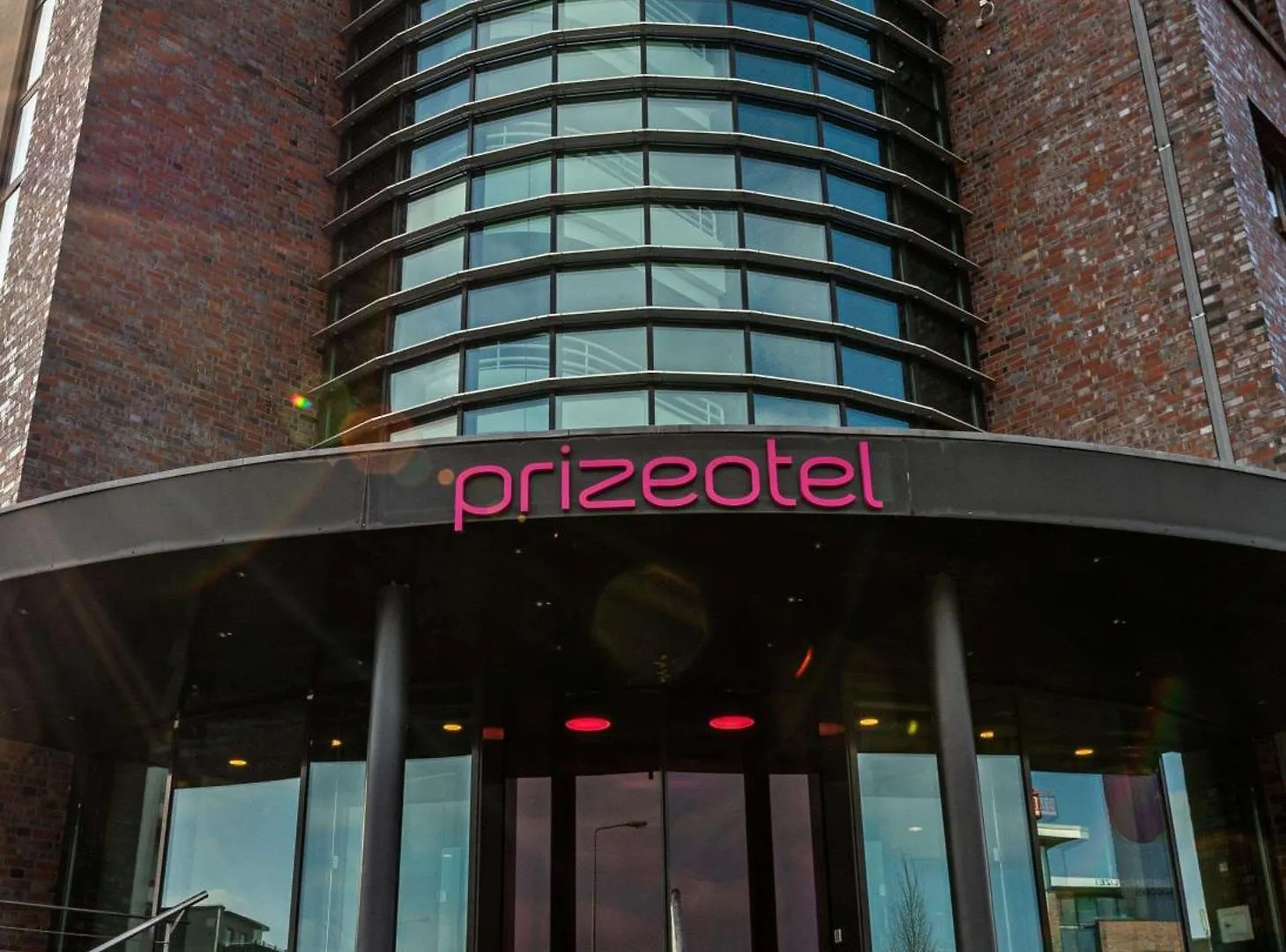
1. Prize By Radisson, Rostock City
Show on map


 Check-infrom 15:00 until 23:59Check-outuntil 12:00
Best price guarantee
from€ 62
-
2. Hotel Hanseat Stralsund
Show on map


 Check-infrom 15:00 until 19:00Check-outfrom 07:00 until 10:00
Rooms filling fast – secure the best rate!
from€ 96
-
3. Hotel Schwedenhaus Wismar
Show on map


 Check-infrom 15:00 until 20:00Check-outuntil 11:00
Best price guarantee
from€ 64
-
4. Pension Richter
Show on map


 Check-infrom 15:00 until 18:00Check-outfrom 07:00 until 10:00
Best price guarantee
from€ 129
-
5. Hotel Waldperle
Show on map


 Check-infrom 16:00 until 18:00Check-outuntil 11:00
Just a few rooms left at the best rate!
from€ 198
-
6. Hotel Restaurant Burg-Klause
Show on map


 Check-infrom 15:00 until 22:00Check-outfrom 07:00 until 11:00
Hurry – almost gone at this price!
from€ 142
Best Premium Stays on the Baltic Sea
These properties combine prime coastal positioning with elevated amenities - spa facilities, beachfront access, or distinctive architecture - suited to travelers for whom location quality and on-site experience are the primary booking criteria.
-
7. Bayside
Show on map


 Check-infrom 15:00 until 23:59Check-outuntil 11:00
Best price guarantee
from€ 168
-
8. Atlantic Hotel Kiel
Show on map


 Check-infrom 15:00 until 23:59Check-outuntil 11:00
Best price guarantee
from€ 131
-
9. Hampton By Hilton Kiel
Show on map


 Check-infrom 15:00 until 23:59Check-outuntil 12:00
Hurry – almost gone at this price!
from€ 76
-
4. Strandhotel Gluecksburg
Show on map


 Check-infrom 15:00 until 23:59Check-outfrom 07:00 until 11:00
Best price guarantee
from€ 161
-
5. Parkhotel Ruegen
Show on map


 Check-infrom 15:00 until 23:30Check-outfrom 06:00 until 11:00
Best price guarantee
from€ 129
-
6. Ringhotel Hohe Wacht
Show on map


 Check-infrom 16:00 until 22:00Check-outfrom 06:00 until 10:00
Just a few rooms left at the best rate!
from€ 144
-
13. Holiday Inn Luebeck By Ihg
Show on map


 Check-infrom 15:00 until 23:59Check-outuntil 11:00
Best price guarantee
from€ 181
-
8. Aja Groemitz
Show on map


 Check-infrom 15:00 until 23:59Check-outuntil 11:00
Rooms filling fast – secure the best rate!
from€ 137
-
9. Weissenhaus Private Nature Luxury Resort
Show on map


 Check-infrom 16:00 until 22:00Check-outuntil 12:00
Just a few rooms left at the best rate!
from€ 562
Smart Travel & Timing Advice for the Baltic Sea, Germany
July and August are the undisputed peak months along the entire German Baltic coast, when beach resort towns like Scharbeutz, Grömitz, and Göhren on Rügen operate at full capacity and central hotel rates climb around 35% above shoulder-season levels. Booking at least 8 weeks ahead for summer stays in beachfront or centrally located properties is not a precaution - it is a logistical necessity, particularly for properties like Bayside, Aja Groemitz, or Weissenhaus, which have limited room counts and high repeat-guest demand. June and September offer the most favorable combination of reasonable weather, reduced crowds, and lower rates - still warm enough for Baltic swimming, but without the August bottleneck at beach promenades and restaurants. For urban destinations like Kiel, Lübeck, and Stralsund, October through April sees sharp rate reductions, and the cities remain fully functional with museums, restaurants, and public transport running normally - making them viable for non-beach cultural itineraries. A minimum of three nights is advisable for island bases like Rügen or Fehmarn, where the travel investment of crossing by bridge or integrating ferry connections only becomes worthwhile with sufficient exploration time. Last-minute deals are possible at urban properties in the off-season, but rare at any beachfront resort between May and September.