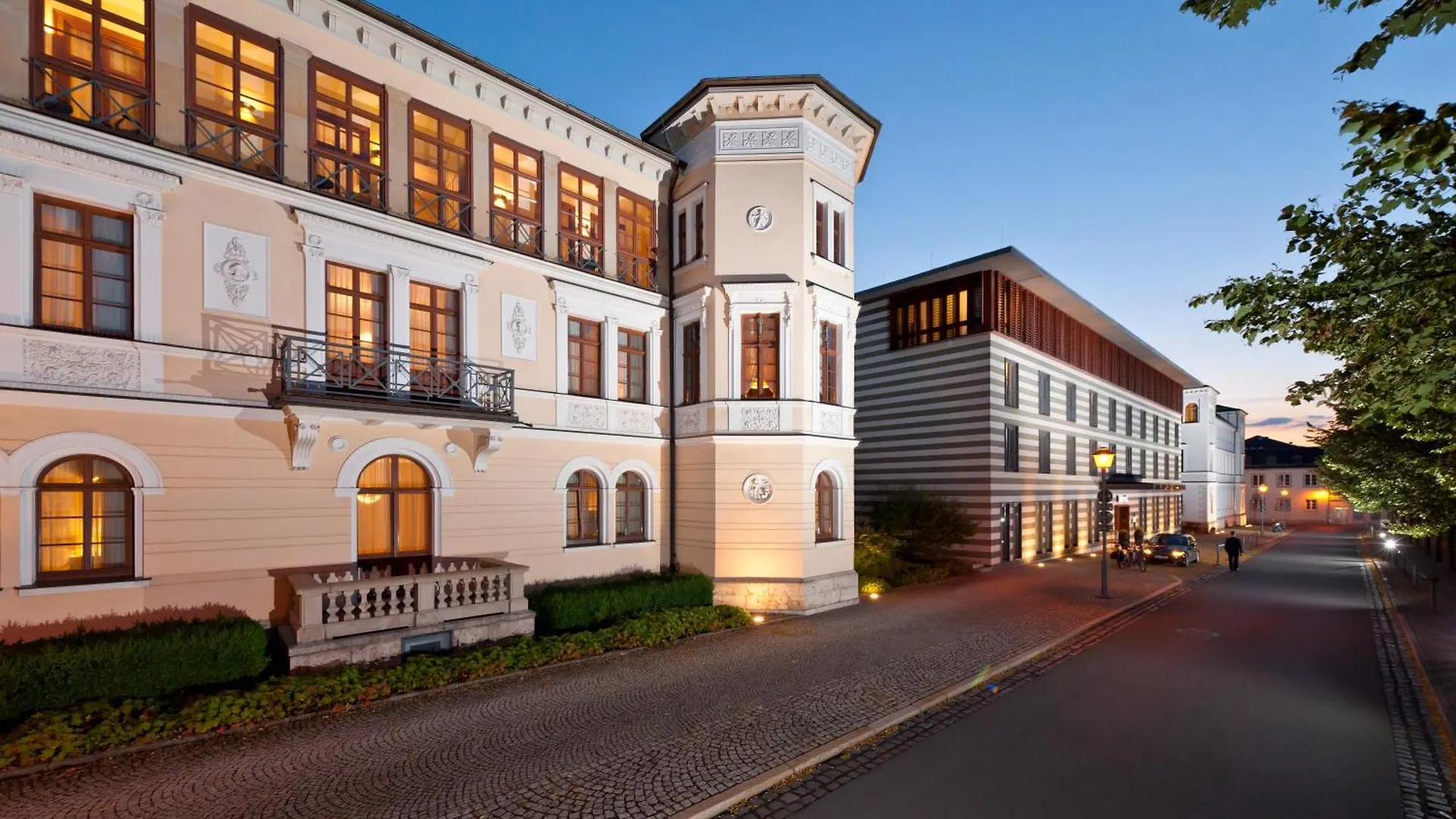
Dorint Hotels operate across Germany as a mid-to-upper segment German hotel brand, known for consistent infrastructure, branded dining, and reliable room standards across very different city types - from Thuringian cultural hubs to North Rhine-Westphalian industrial towns. This guide covers five Dorint properties spread across four German states, helping you decide which location and property fits your actual itinerary rather than a generic trip overview.
What It's Like Staying in Germany
Germany's accommodation landscape varies sharply between regions: staying in Thuringia gives access to Weimar's UNESCO-listed Bauhaus and Goethe heritage sites, while North Rhine-Westphalia positions you near river valleys, medieval towns, and the Eifel National Park. German hotels outside major cities like Berlin or Munich often deliver better value - lower nightly rates, easier parking, and less tourist congestion - while still being well-connected by the Autobahn or regional rail. Around 80% of international visitors to Germany concentrate in five major cities, which means secondary destinations like Siegen, Düren, or Jena see noticeably fewer crowds year-round.
Pros:
Efficient road and rail access even from smaller German cities to major hubs
Strong regional food culture - local wines in Rheinhessen, Thuringian cuisine, and Eifel produce
Off-peak destinations offer authentic German experiences without the premium pricing of Berlin or Hamburg
Cons:
Smaller cities may have limited English-language signage and fewer international dining options
Public transport frequency drops significantly outside major urban cores after 22:00
Some cultural attractions in secondary cities have restricted seasonal opening hours
Why Choose Dorint Hotels in Germany
Dorint is a German hotel brand, which means its properties are built around the expectations of business and leisure travelers who value structured comfort over boutique unpredictability. Unlike international chains that often deliver identical cookie-cutter rooms regardless of location, Dorint properties frequently incorporate regional design elements - the Weimar property uses Art Nouveau and Bauhaus styling, for instance, directly referencing the city's architectural heritage. Nightly rates across the five properties in this guide average around €120, placing Dorint firmly in the 4-star segment without the premium of luxury brands, and most properties include breakfast, parking, and fitness access in their standard offering.
Pros:
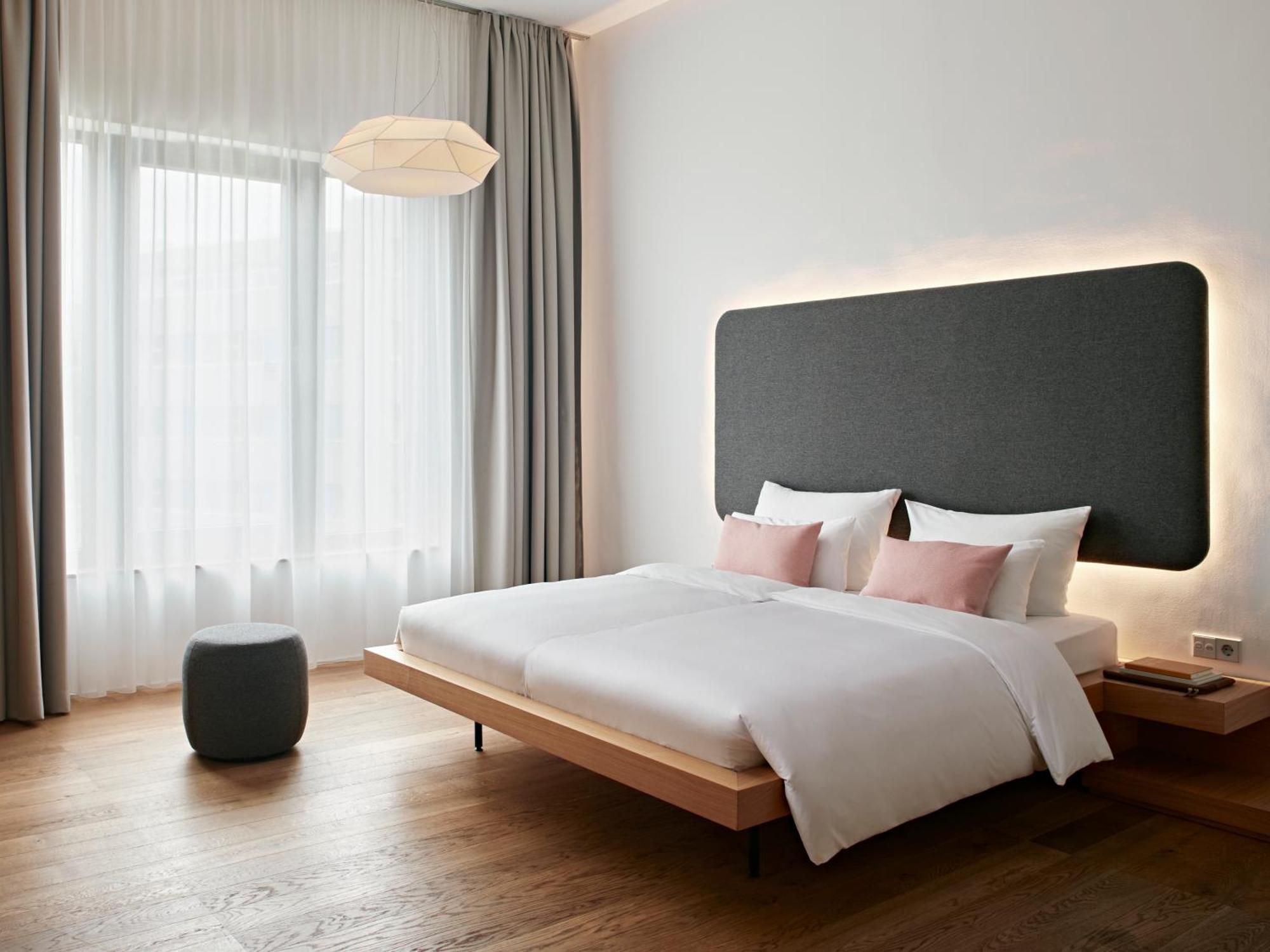
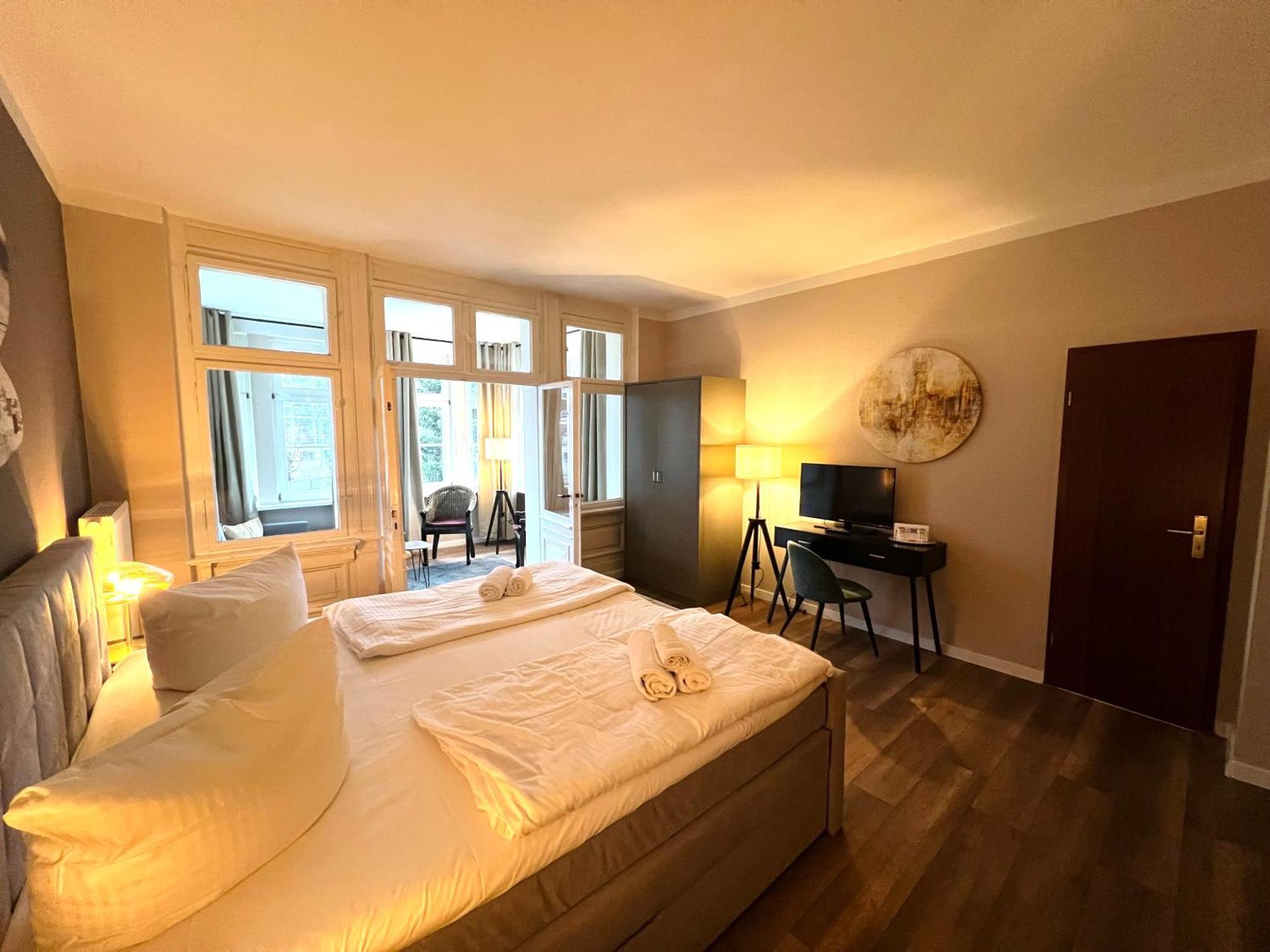
Branded consistency in room quality (desk, flat-screen TV, private bathroom with shower) across all five properties
Breakfast buffet included or available at all locations, with regional food components
On-site parking available at every property in this selection - rare in German city-center hotels
Cons:
Dorint properties in smaller cities can feel business-traveler-oriented, with less leisure atmosphere on weekdays
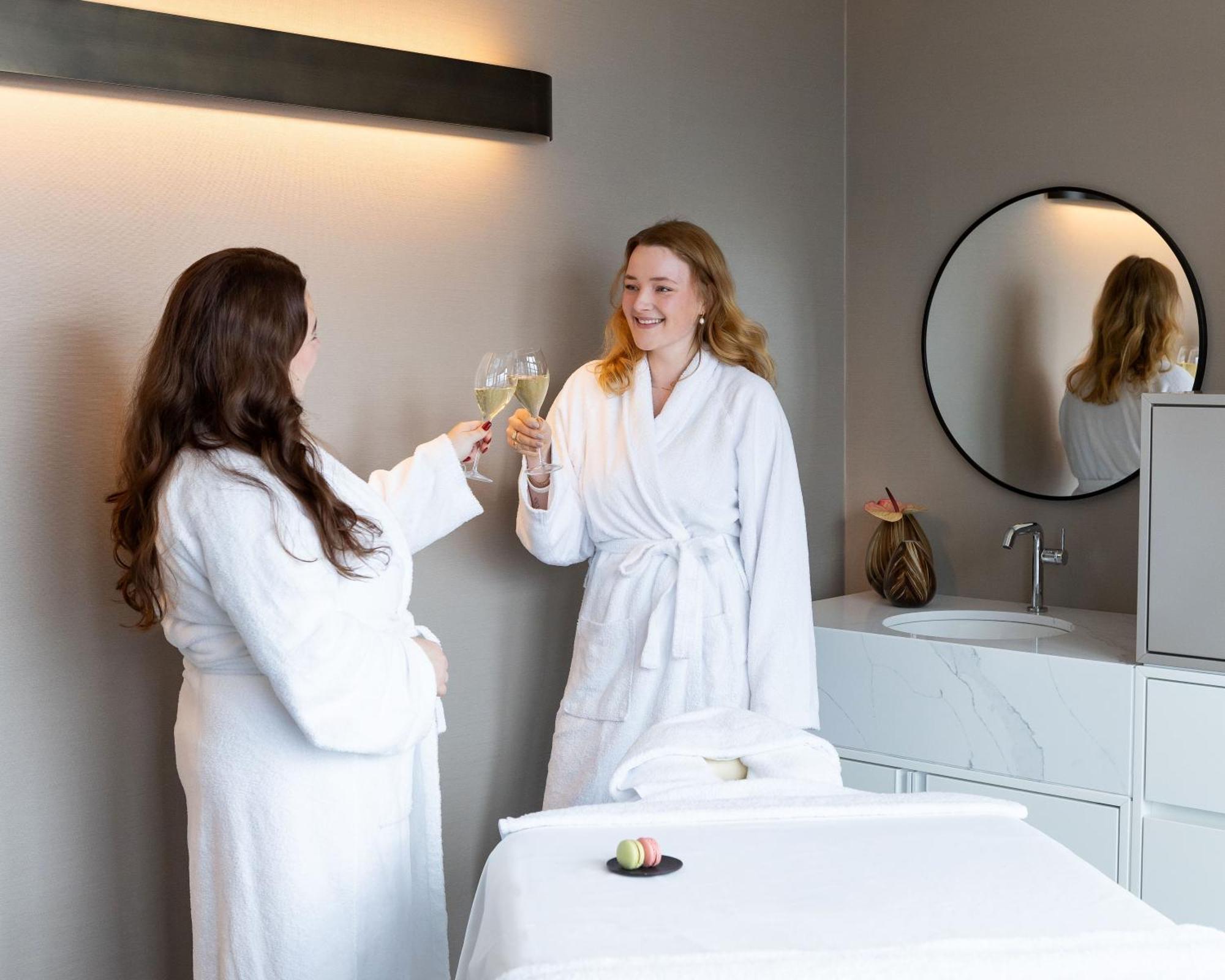
Spa and wellness facilities are inconsistent - only some properties include a sauna or full spa
Locations are rarely walking-distance to multiple major attractions simultaneously
Practical Booking & Area Strategy for Dorint Hotels in Germany
Choosing between these five Dorint locations comes down to your travel axis. Weimar is the strongest cultural base - a 3-minute walk from the Goethe House, with Erfurt and the Thuringian Forest both reachable in under an hour by car or train. Jena, also in Thuringia, suits travelers combining university-town atmosphere with access to the Friedrich Schiller University and solid tram and bus connections directly in front of the hotel. For western Germany, Düren positions you between Cologne (around 56 km) and Aachen, making it a functional overnight stop for Eifel hiking or business in either city. Siegen covers the Sauerland region with cycling trails and the Skilift Neunkirchen within 15 km. Alzey in Rhineland-Palatinate is the most road-oriented pick - best suited to travelers driving between Frankfurt, Mainz, and the Moselle wine country, with direct A61 and A63 motorway access. Germany's shoulder seasons - April to May and September to October - give the best balance of mild weather, fewer crowds, and mid-range pricing across all these secondary-city destinations.
Dorint Hotels in Thuringia
Thuringia's two Dorint properties sit in culturally significant cities - one directly adjacent to Goethe's legacy in Weimar, the other in the university city of Jena. Both suit travelers prioritizing history, architecture, and walkable city access over resort-style amenities.
-
1. Dorint Am Goethepark Weimar
Show on map


 Check-infrom 15:00 until 23:59Check-outuntil 12:00
Just a few rooms left at the best rate!
from€ 146
-
2. Dorint Hotel Esplanade Jena
Show on map


 Check-infrom 15:00 until 23:59Check-outuntil 12:00
Just a few rooms left at the best rate!
from€ 88
Dorint Hotels in North Rhine-Westphalia and Rhineland-Palatinate
The three western Germany properties serve very different traveler profiles - Siegen for Sauerland access, Düren as a base between Cologne and Aachen, and Alzey for road-based travel through Rhineland-Palatinate wine country. All three offer on-site parking, which is a practical priority in these car-dependent locations.
-
3. Dorint Parkhotel Siegen
Show on map


 Check-infrom 15:00 until 22:00Check-outfrom 06:00 until 11:00
Hurry – almost gone at this price!
from€ 106
-
4. Dorint Hotel Dueren
Show on map


 Check-infrom 15:00 until 23:59Check-outuntil 12:00
Hurry – almost gone at this price!
from€ 82
-
5. Dorint Hotel Alzey/Worms
Show on map


 Check-infrom 15:00 until 23:59Check-outfrom 07:00 until 11:00
Rooms filling fast – secure the best rate!
from€ 87
Smart Travel & Timing Advice for Dorint Hotels in Germany
For the Thuringia properties - Weimar and Jena - the busiest periods are May through September, when Weimar's Goethe and Schiller anniversary events draw domestic tourists and the university calendar peaks in Jena. Booking Weimar at least 6 weeks in advance during summer is advisable, as the small city has limited total hotel capacity. The North Rhine-Westphalia and Rhineland-Palatinate properties (Siegen, Düren, Alzey) are primarily used by business travelers Monday through Thursday, which means weekend rates often drop noticeably - a useful pattern for leisure travelers who can stay Friday to Sunday. The Alzey property benefits from the September-October wine harvest season, when Rheinhessen vineyards are most active and regional menus rotate to feature new vintages. For all five properties, direct booking via the property's official site can yield better breakfast inclusion terms than third-party platforms. Two or three nights is typically enough to use any of these locations as a base for day trips to surrounding attractions, without overextending in a single secondary city.