Bavaria is one of Germany's most visited federal states, drawing travelers to the Alps, medieval towns, beer festivals, and royal castles year-round. Whether you're basing yourself near Munich for city access, heading into the Allgäu for ski slopes, or exploring the wine-growing Franconian north around Würzburg, choosing the right location matters as much as the hotel itself. This guide covers 15 hotels spread across Bavaria's key zones - from lakeside retreats in Walchensee to transit-friendly stops near the A9 motorway - to help you make a well-informed booking decision.
What It's Like Staying in Bavaria
Bavaria is Germany's largest state by area, and that scale has a direct impact on how you plan your stay. Distances between attractions can exceed 150 km, meaning your hotel's location relative to train stations, motorways, or alpine access points is a genuine logistical factor - not just a comfort preference. Munich functions as the transport hub, with S-Bahn and regional rail reaching much of central Bavaria, but rural areas like the Bavarian Forest or Upper Franconia require a car. Travelers who arrive expecting a compact, walkable region often underestimate how spread out the highlights actually are.
Crowd patterns vary sharply by season. The Oktoberfest window (late September to early October) pushes Munich hotel prices up dramatically, while alpine destinations like Garmisch-Partenkirchen peak twice - in winter for skiing and in summer for hiking. Outside these windows, many Bavarian towns are genuinely quiet, which appeals to travelers seeking a slower pace but can feel limiting for those wanting lively evening options.
Pros:
- Exceptional variety of landscapes within one state - Alps, lakes, forests, and Baroque cities all reachable from a central base
- Strong rail connectivity from Munich allows day trips without a car to destinations like Garmisch, Rosenheim, and Augsburg
- Hotels outside the main tourist corridors offer significantly better value without sacrificing Bavarian character
Cons:
- Rural hotel options often require a car - public transport thins out quickly beyond major towns
- Seasonal pricing spikes, especially during Oktoberfest and winter ski season, can push costs up sharply
- Some areas have limited evening dining or entertainment options, particularly smaller villages in the Bavarian Forest or Franconia
Why Choose a Hotel in Bavaria
Hotels in Bavaria cover a wide spectrum - from no-frills motorway-adjacent properties designed for transit travelers to design-forward alpine lodges with spa access and ski-to-door convenience. Budget hotels in rural Bavaria typically start around €70-€90 per night and often include free parking and breakfast, making them competitive against urban alternatives. In contrast, hotels in Garmisch-Partenkirchen or near Munich can run significantly higher, particularly during peak season, with mid-range options averaging around €130 per night. Room sizes in Bavarian hotels outside city centers tend to be generous compared to Munich city-center properties, where spatial trade-offs are common.
One distinct advantage of Bavarian hotels beyond the capital is the inclusion of practical amenities that urban properties often charge extra for: on-site parking, buffet breakfast, and allergy-free room options appear frequently even in standard-category properties. The trade-off is that some rural hotels have limited food and beverage options on-site, and guests without a car may find themselves isolated in the evening. Hotels near train stations or in small towns with regular regional rail service offer the best balance of accessibility and value.
Pros:
- Free private parking is standard in most non-urban Bavarian hotels, a significant cost saving over Munich city stays
- Many properties include buffet breakfast, reducing daily meal costs compared to city hotels where breakfast is an add-on
- Allergy-free rooms are widely available across Bavarian hotel stock, a practical benefit for sensitive travelers
Cons:
- Hotels in prime alpine or lakeside locations charge a premium that may not reflect room quality - you're paying for the setting
- Some smaller properties have front-desk hours that end before midnight, complicating late arrivals
- Dining options on-site can be limited in rural areas, requiring guests to plan meals in advance or rely on a car
Practical Booking & Area Strategy for Bavaria
Bavaria's geography means your choice of base significantly changes what you can realistically do each day. Munich is the only location in Bavaria with S-Bahn access to an international airport and direct rail to the Alps, making it the strongest base for first-time visitors without a car. Garmisch-Partenkirchen, around 90 minutes from Munich by regional train, is the go-to for alpine activity - skiing at the Zugspitze, hiking the Partnachklamm gorge, and cycling through the Loisach valley. In the north, Bamberg and Würzburg anchor Franconian Bavaria, with medieval old towns, wine-tasting routes along the Main river, and quieter crowds than the alpine south.
For the Bavarian Forest, base yourself near Cham or Regen for access to Arber mountain and the Czech border trails - this area sees far fewer international tourists and prices reflect that. The Allgäu region around Sonthofen and Scheidegg is popular for skiing in winter and cycling in summer, with Memmingen Airport serving as a low-cost entry point. Book alpine and Oktoberfest-period stays at least 8 weeks in advance - availability collapses fast and prices rise steeply as the date approaches. For Franconian and Bavarian Forest destinations, last-minute rates remain reasonable outside school holiday windows.
Key attractions driving hotel demand across Bavaria include Neuschwanstein Castle near Füssen, the Zugspitze summit near Garmisch, the Nymphenburg Palace in Munich, the Romantic Road through Rothenburg ob der Tauber and Feuchtwangen, and the Walchensee lake in the foothills of the Alps. Each of these draws a distinct traveler profile, so aligning your hotel choice with your primary attraction shortens daily travel significantly.
Best Value Stays in Bavaria
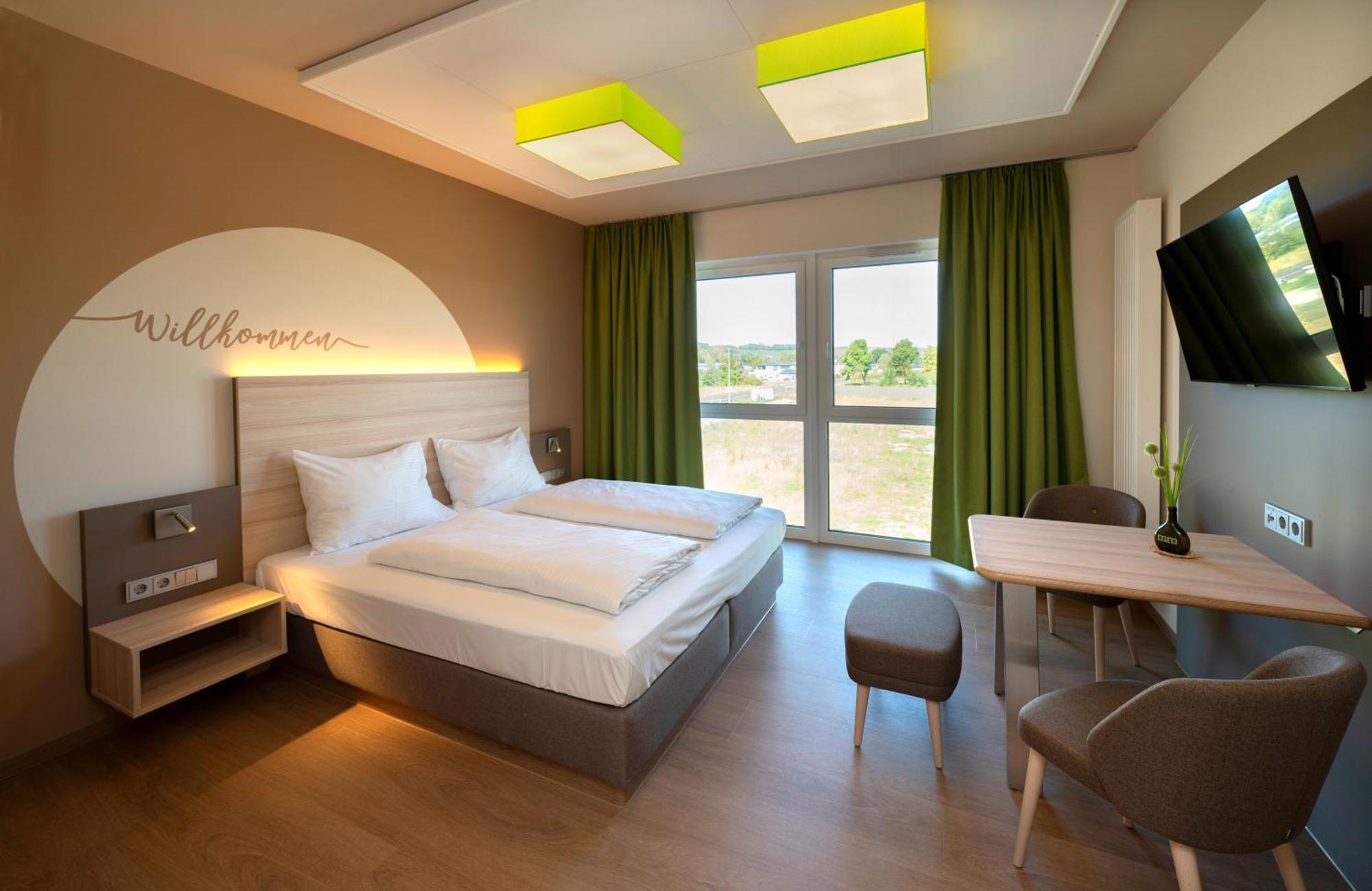
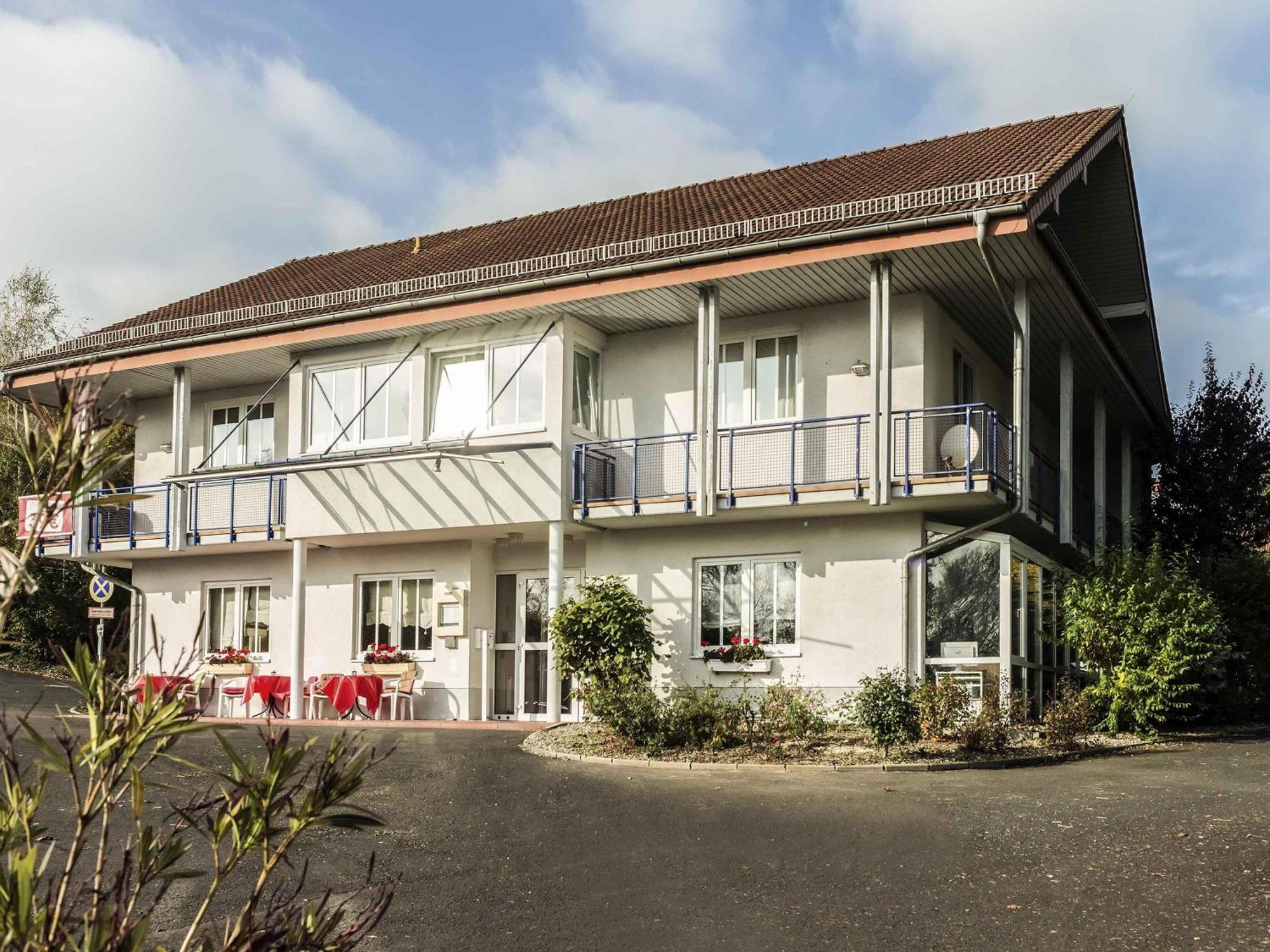
These hotels offer strong practical value across different Bavarian zones - reliable connectivity, free parking, and no-nonsense amenities at accessible price points. They suit road-trippers, transit travelers, and guests prioritizing logistical convenience over luxury finishes.
-
1. Swf Hotel By Wmm Hotels
Show on map


 Check-infrom 16:00 until 22:00Check-outfrom 01:00 until 10:00
Best price guarantee
from€ 44
-
2. Lif Hotel By Wmm Hotels
Show on map


 Check-infrom 16:00 until 22:00Check-outfrom 01:00 until 10:00
Hurry – almost gone at this price!
from€ 69
-
3. Ill Hotel By Wmm Hotels
Show on map


 Check-infrom 16:00 until 22:00Check-outfrom 01:00 until 10:00
Rooms filling fast – secure the best rate!
from€ 46
-
4. Sto Hotel By Wmm Hotels
Show on map


 Check-infrom 16:00 until 22:00Check-outfrom 01:00 until 10:00
Just a few rooms left at the best rate!
from€ 64
-
5. Am Hotel By Wmm Hotels
Show on map


 Check-infrom 16:00 until 22:00Check-outfrom 01:00 until 10:00
Rooms filling fast – secure the best rate!
from€ 39
- Show on map
Best price guarantee
-
7. Landgasthof Baumgartner
Show on map


 Check-infrom 16:00 until 20:00Check-outuntil 10:00
Best price guarantee
from€ 62
Best Premium & Character Stays in Bavaria
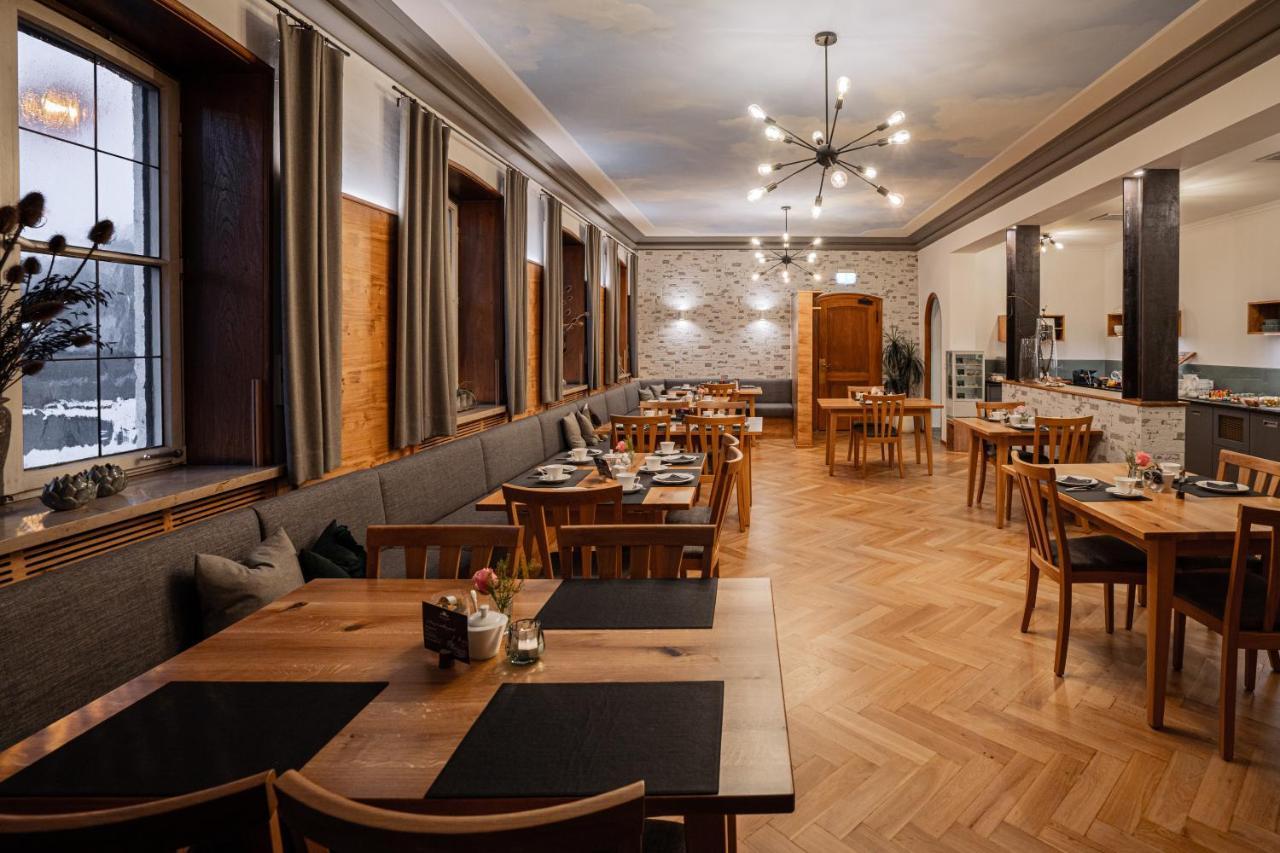
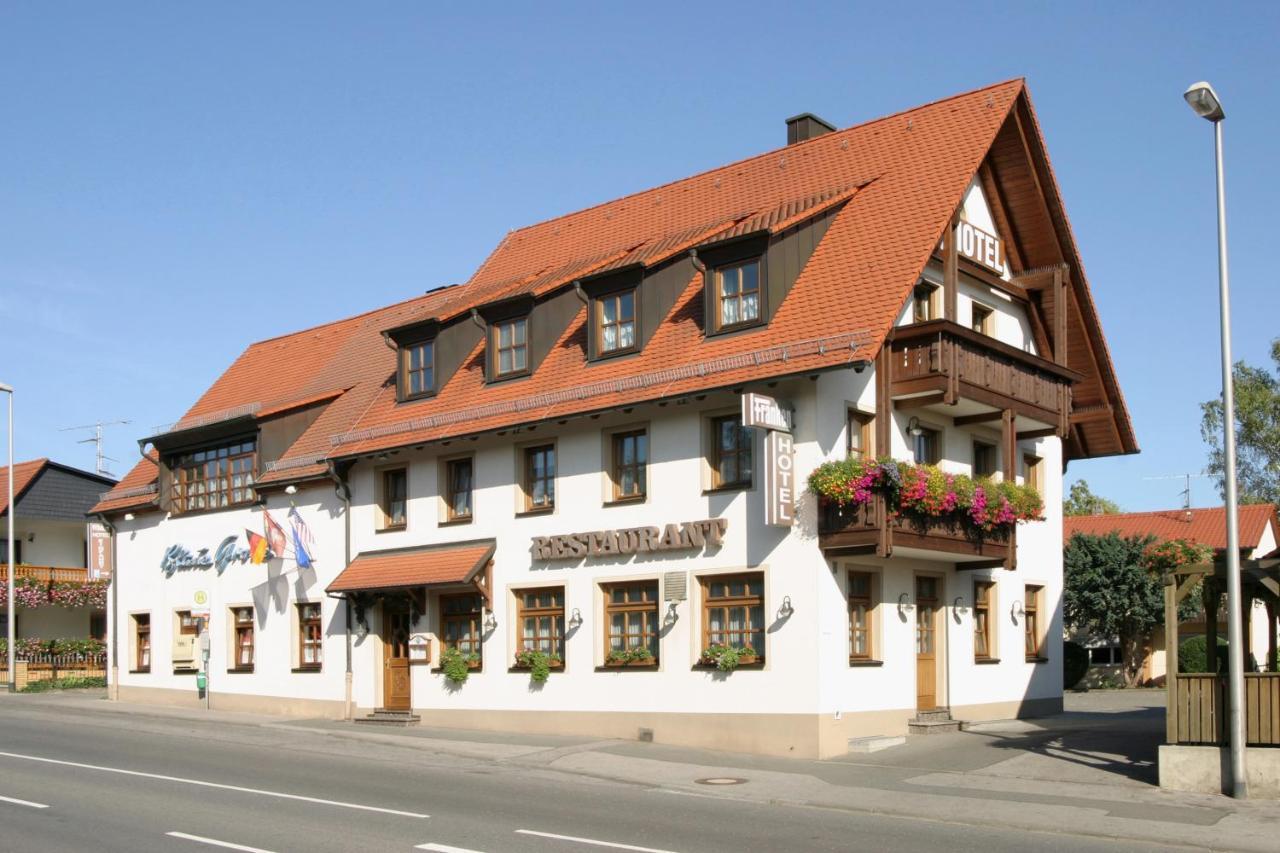
These hotels offer a stronger sense of place, enhanced facilities, or prime access to Bavaria's most sought-after natural and cultural landmarks. They suit travelers willing to pay more for location quality, wellness amenities, or distinctive design.
-
1. Alpenloge Design Hotel
Show on map


 Check-infrom 16:00 until 20:00Check-outfrom 08:00 until 11:00
Best price guarantee
from€ 439
-
2. Wallerei Walchensee
Show on map


 Check-infrom 15:00 until 18:00Check-outfrom 08:00 until 11:00
Best price guarantee
from€ 248
-
10. Toni Huette Am Riesserkopf
Show on map


 Check-infrom 14:00 until 19:00Check-outfrom 08:00 until 11:00
Just a few rooms left at the best rate!
from€ 133
-
4. Hotel Sendlinger Tor
Show on map


 Check-infrom 15:00 until 22:30Check-outfrom 06:00 until 11:00
Just a few rooms left at the best rate!
from€ 254
-
12. Hotel Lugerhof
Show on map


 Check-infrom 14:00 until 19:00Check-outfrom 08:00 until 10:00
Hurry – almost gone at this price!
from€ 103
-
6. Hotel Restaurant Platamon
Show on map


 Check-infrom 14:30 until 23:59Check-outfrom 07:00 until 11:00
Just a few rooms left at the best rate!
from€ 114
-
7. Hotel Am Gleis 1 - Self-Check-In
Show on map


 Check-infrom 14:00 until 19:00Check-outuntil 11:00
Hurry – almost gone at this price!
from€ 122
-
15. Boutique Hotel Reschen
Show on map


 Check-infrom 15:00 until 20:00Check-outfrom 07:00 until 10:00
Rooms filling fast – secure the best rate!
from€ 164
Smart Timing and Booking Strategy for Bavaria
Bavaria's travel calendar is divided by two dominant peaks: the alpine winter season running from December through March, and the Oktoberfest period in late September. Book Garmisch-Partenkirchen and Allgäu hotels at least 8 weeks before a winter ski trip - availability at well-positioned properties like Toni Hütte or Alpenloge Design Hotel fills quickly, and prices in Sonthofen and Scheidegg climb sharply as the ski season opens. Summer in Bavaria, particularly July and August, sees strong demand in lakeside areas like Walchensee and family-friendly spots in the Bavarian Forest, though the scale of demand is lower than winter or Oktoberfest.
For Franconian destinations - Würzburg, Bamberg, and the Romantic Road corridor through Feuchtwangen - late April through June and September offer the most comfortable combination of mild weather, manageable crowds, and stable pricing. The Romantic Road is heavily trafficked by bus tours in peak summer, so staying midweek reduces both competition for hotel rooms and congestion at key sites. Munich city-center hotels, including Hotel Sendlinger Tor, should be booked months in advance for Oktoberfest - the last-minute market effectively disappears, and prices for the festival fortnight are consistently the highest of the year. For rural properties like Landgasthof Baumgartner or the WMM Hotels group, last-minute availability outside school holidays remains realistic and often comes with modest price advantages. A minimum of two nights is recommended for any alpine or lakeside destination to justify the travel time from Munich; one night is sufficient for transit-oriented stays along the motorway network.