Lower Saxony stretches from the North Sea coast down to the Harz mountains, covering cities like Hannover, Göttingen, and Hameln - each with its own transport infrastructure and tourist rhythm. For travelers who need a functional base without paying premium rates, 2-star hotels in Lower Saxony offer solid value across very different urban and rural settings. This guide breaks down four specific properties to help you book the right one for your itinerary.
What It's Like Staying In Lower Saxony
Lower Saxony is Germany's second-largest federal state by area, combining industrial cities, Hanseatic heritage towns, and open agricultural landscapes that make travel distances between attractions longer than most visitors expect. Hannover anchors the region as its capital, offering direct ICE rail connections to Hamburg, Berlin, and Frankfurt, while smaller cities like Göttingen and Hameln require either a regional train or car to reach efficiently. Crowd patterns vary sharply: Hannover spikes during trade fairs like Hannover Messe (around 200,000 attendees), while coastal areas near Wittmund see summer tourism peak in July and August with relatively quiet off-seasons.
Pros:
- Well-connected rail network linking Hannover to major German cities, making day trips feasible without a car
- Lower accommodation costs compared to Hamburg or Berlin, especially outside trade fair periods
- Diverse geography - North Sea coast, Harz mountains, and Weser Uplands - accessible from a single base
Cons:
- Distances between key attractions are substantial; a car is nearly essential outside Hannover and Göttingen
- Trade fair periods in Hannover inflate hotel prices across the entire city abruptly
- Rural areas like Wittmund have limited public transport frequency, restricting flexibility for non-drivers
Why Choose 2-Star Hotels In Lower Saxony
2-star hotels in Lower Saxony occupy a practical niche: they cost significantly less than 3- and 4-star options - often around 40% cheaper during non-fair periods - while still providing private en-suite bathrooms and breakfast in most cases. In a region where many travelers are passing through on cycling routes, visiting family, or attending regional business meetings, these properties match the actual use case better than upscale hotels. Room sizes in this category tend to be compact, typically under 18 square meters, and design is functional rather than styled, but locations are often central or transport-adjacent, which directly reduces travel costs.
Trade-offs are real: noise insulation is thinner than in higher categories, amenities like room service or on-site restaurants are rarely available, and some properties operate with reduced or app-based reception hours. The value proposition is strongest for solo travelers, couples on short stays, and anyone prioritizing location and connectivity over comfort upgrades.
Pros:
- Significantly lower nightly rates free up budget for food, transport, and activities across Lower Saxony
- Many 2-star properties are positioned near train stations, reducing the need for taxis or car hire
- Breakfast is included in several options, which is above-average for the price tier in Germany
Cons:
- Room sizes are compact and storage space is minimal - not practical for stays longer than 3 nights with luggage
- Reduced reception hours or app-only check-in can complicate late arrivals or urgent requests
- Noise from street traffic or neighboring rooms is more noticeable than in higher-category properties
Practical Booking & Area Strategy
For business or transit travelers, Hannover is the strongest base in Lower Saxony: the central station connects to Frankfurt in under 2 hours by ICE, and the city's tram network covers most attractions without needing a taxi. Göttingen offers a compact, walkable university-city layout where nearly everything is reachable on foot within 10 minutes from the station, making it one of the most efficient cities in the region for short stays. Hameln, famous for the Pied Piper legend and its well-preserved Weser Renaissance old town, suits travelers on a cultural itinerary along the Weser Uplands, though it functions best as a 1- to 2-night stop rather than a multi-day base. Wittmund, positioned 15 km from the North Sea coast, is the logical choice for visitors heading to the East Frisian Islands - especially Spiekeroog or Langeoog - where ferry access requires early starts. Book at least 6 weeks ahead if your stay overlaps with Hannover trade fairs, as availability drops sharply and prices across all categories increase region-wide.
Best Value Stays
These properties offer the strongest combination of location and included amenities for the price, making them the most practical picks for budget-conscious travelers in Lower Saxony.
-
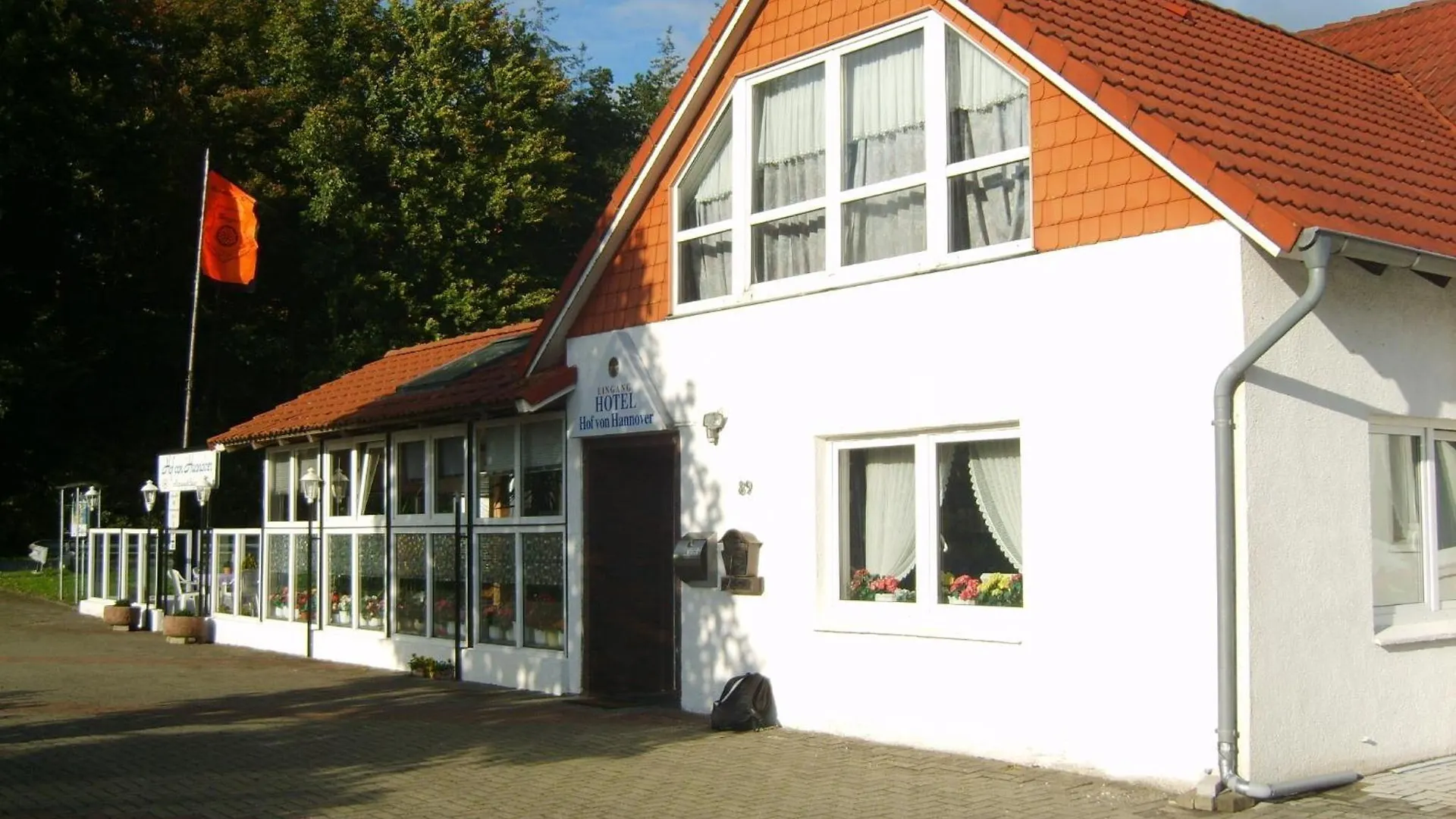
1. Hotel-Garni "Hof Von Hannover"
Show on map


 Check-infrom 15:00 until 20:00Check-outfrom 07:00 until 10:00
Just a few rooms left at the best rate!
from€ 87
-
2. City Hotel Hameln
Show on map


 Check-infrom 16:00 until 23:30Check-outfrom 05:00 until 10:00
Just a few rooms left at the best rate!
from€ 127
Best Premium Option
These tech-forward micro-hotels prioritize location and connectivity above all else, making them the sharpest choice for solo travelers and frequent visitors who value speed and urban access over traditional hotel services.
-
3. Boxhotel Goettingen
Show on map


 Check-infrom 15:00 until 22:00Check-outfrom 01:00 until 11:00
Hurry – almost gone at this price!
from€ 35
-
4. Boxhotel Hannover
Show on map


 Check-infrom 15:00 until 23:00Check-outfrom 06:00 until 11:00
Rooms filling fast – secure the best rate!
from€ 27
Smart Travel & Timing Advice
Lower Saxony's pricing and availability behave very differently depending on which city you target. In Hannover, trade fair dates are the single biggest pricing driver - during Hannover Messe in late April and CeBIT-era successor events, even 2-star hotel rates can increase by around 80% compared to standard weeks, and availability disappears within days of announcements. Outside those windows, late autumn and winter (November through February) offer the lowest nightly rates across the region and near-empty streets in most cities. Göttingen and Hameln follow a more seasonal tourism pattern tied to spring and summer, with July and August being the busiest months for the Weser region. For the North Sea base near Wittmund, the shoulder months of May, June, and September offer the best balance of mild weather and reduced coastal crowds. A 2-night minimum stay is generally the practical sweet spot in most Lower Saxony cities; shorter stays rarely justify travel costs, while stays beyond 4 nights benefit more from apartment-style accommodation with kitchen access. Last-minute booking works well in winter outside Hannover, but should be avoided entirely during any Hannover fair period.